Dopamine Patches for Focus & Mood: Benefits, How They Work + Honest Review
Curious about dopamine patches for focus and mood? This honest, evidence-informed review breaks down what dopamine patches are, how they claim to work, what ingredients like Mucuna (L-DOPA) and 5-HTP may do, and what the research says about transdermal “supplement patches.” You’ll also get practical tips, realistic expectations, and a quick facts block answering the questions people ask most.
12/14/20254 min read
Dopamine Patches for Focus & Mood: Benefits, How They Work + Honest Review
Do dopamine patches work? If you’ve been asking that question, it’s probably because you’re living the exact kind of day that makes you search for answers—brain fog that won’t lift, motivation that feels missing, and stress that turns even small tasks into “too much.” You’re not lazy, broken, or undisciplined. You might just be depleted. And when you’re tired of coffee jitters, mid-afternoon crashes, and a thousand supplements that feel like they do nothing, the idea of a simple patch you stick on and forget can feel like a breath of fresh air.
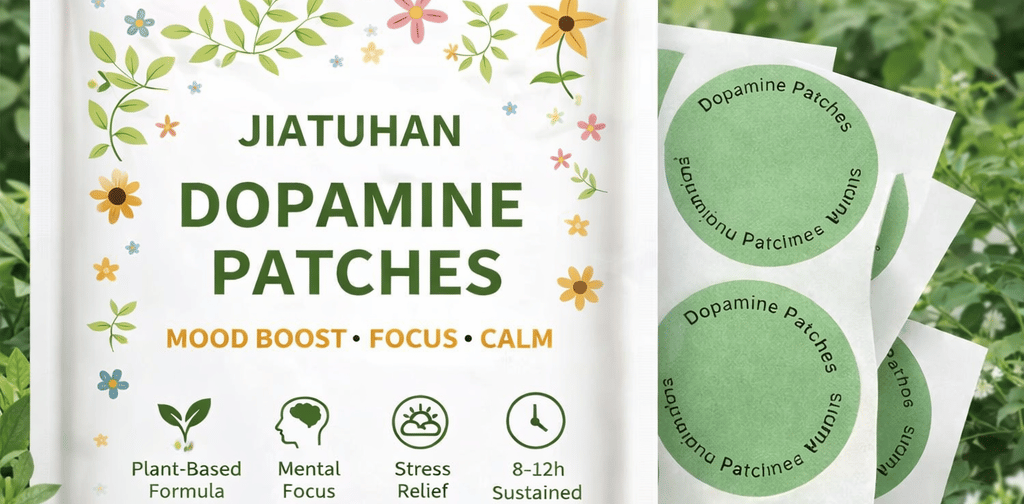
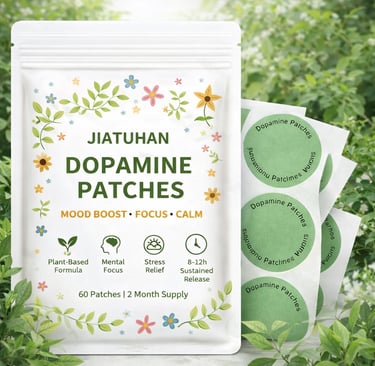
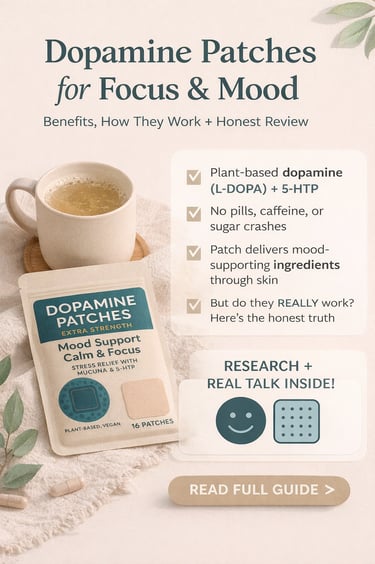
This post is an honest look at Dopamine Patches Extra Strength – Mood Support, Calm & Focus – Stress Relief with Mucuna & 5-HTP – Plant-Based, Vegan, including what’s promising, what’s unknown, and how to use them in a realistic, supportive way.
Why Focus and Mood Feel So Hard Lately
When your mood is low and your attention is scattered, it can feel personal—like you’re failing at life. But often it’s biology + burnout:
Chronic stress can mess with sleep, appetite, and emotional regulation
Mental overload can make focus feel “slippery”
Motivation drops when you’re running on fumes
You start relying on quick fixes (caffeine, sugar, scrolling) that help for 20 minutes… then punish you later
That’s why products that claim to support calm focus (without stimulant highs) are so appealing right now.
What Dopamine Patches Are (and Why People Like Them)
Dopamine patches are transdermal patches designed to deliver ingredients through the skin over time. The marketing appeal is simple:
No pills to swallow
“Steady release” throughout the day
Convenient for people with sensitive stomachs or supplement fatigue
Here’s the honest part: transdermal patches are a proven delivery method for certain medications (like nicotine or hormone patches), but supplement patches are more complicated. Whether an ingredient can reliably get through skin depends on its molecular size, formulation, and dose—so results can vary a lot between products and people. Experts have raised skepticism about many vitamin/supplement patches because the skin is an effective barrier, and evidence is limited for many nutrients in patch form. National Geographic+2PMC+2
What’s Inside These Dopamine Patches (and Why It Matters)
This product highlights two well-known mood-related ingredients:
Mucuna pruriens (a natural source of L-DOPA)
Mucuna contains levodopa (L-DOPA), which the body converts into dopamine. It’s been studied most in the context of Parkinson’s disease (because dopamine signaling is involved there). Some research suggests Mucuna preparations can have measurable effects related to levodopa activity—though supplement potency can vary widely between products. PMC+1
Important reality check: evidence for Mucuna in mood support is still emerging and much of the depression-focused evidence is preclinical (animal models), with calls for more human clinical trials. MDPI
5-HTP (a serotonin precursor)
5-HTP is used by the body to produce serotonin, which can influence mood and sleep. Older clinical research suggested potential benefits for depression compared to placebo, but the evidence quality and study sizes have been limitations. PubMed
Newer reviews continue to explore how 5-HTP affects serotonin markers and outcomes, but it’s not a “magic switch,” and results vary by person and context. MDPI
How They’re Supposed to Work (Simple, Not Sciency)
Think of your brain like a phone running too many apps:
Dopamine is the “drive + reward” system (motivation, focus, follow-through)
Serotonin is more “steady mood + calm + sleep rhythm” support
These patches aim to support both systems by providing building blocks (or precursors) associated with those pathways. The “extra strength” and “steady delivery” idea is that you may get a smoother experience than quick-hit options like caffeine.
But again—delivery through skin is the big question.
Research and Evidence: What We Know vs. What We Don’t
Let’s be straight: there’s a difference between ingredients having evidence orally and a specific patch having evidence transdermally.
What the evidence supports reasonably well
Transdermal delivery is a legitimate medical technology, and the science of patch design is real. MDPI+1
5-HTP has clinical research suggesting potential mood benefits in some contexts, though evidence quality varies. PubMed+1
Mucuna/L-DOPA activity is biologically meaningful and studied in neurological contexts; supplement variability is a known issue. PMC+1
Where evidence is limited (and why that matters)
For many supplement patches, experts note limited high-quality evidence and challenges with getting nutrients/compounds across the skin barrier. National Geographic+2PMC+2
Even when transdermal delivery is possible, effectiveness can depend heavily on formulation, dose, wear time, and individual skin differences—and many commercial products don’t provide the kind of published clinical data you’d see with medicines. National Geographic+1
Translation: dopamine patches might help some people feel steadier, but the most honest stance is “promising for convenience, mixed for proof.”
Lets talk facts...
Here’s the quick, real-talk version:
Do dopamine patches really work?
They can feel helpful for some people, especially if they like the routine and notice steadier focus or mood.
But broad expert skepticism exists around supplement patches in general because absorption through skin isn’t guaranteed, and many products lack strong published clinical testing. National Geographic+2Verywell Health+2
Are dopamine patches safe?
For many healthy adults, patches are often tolerated—but “safe” depends on your health history and what you take. Patch adhesives can irritate skin (redness, itching, contact dermatitis). Also, 5-HTP may interact with serotonergic medications (like SSRIs/SNRIs) and could raise risk of serotonin-related side effects—so it’s smart to check with a clinician if you’re on mood meds. (This is especially important.) Verywell Health+1
How long do dopamine patches last?
Most supplement patches are marketed for hours of wear (often “all day”), but actual duration depends on the brand’s directions and how your body responds. If a patch is designed for steady delivery, you’d expect the most noticeable effect during the wear window—yet the real-world “how long” can vary because absorption varies. National Geographic+1
Your Happiness is one patch away
So Dopamine patches work for Focus and Mood?
Benefits of Dopamine Patches ( No Caffeine crash)
Mood + Focus Wellness: Dopamine Patch Guide