Stop Guessing Your Wellness: Understanding Supplements, Herbs, and Functional Foods
Supplements, herbs, and functional foods all support health—but not in the same way. This blog breaks down how each works, when to use them, and how to choose what’s best for your body without overwhelm or misinformation.
12/14/20254 min read

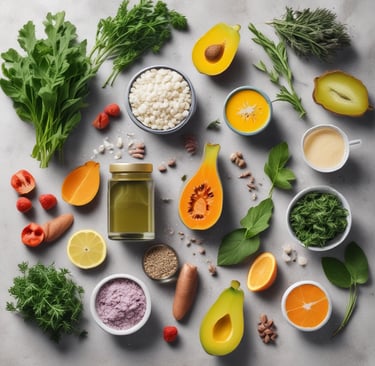
If you’ve ever stood in the wellness aisle staring at shelves of capsules, powders, teas, and “superfoods,” wondering what actually does what, you’re not alone. One bottle promises energy. Another claims balance. A third swears it’s “ancient” and therefore better. Somewhere between supplements, herbs, and functional foods, clarity gets lost—and confusion takes over.
Most people don’t struggle with wanting to be healthy. They struggle with knowing what to choose, what to trust, and how to use it all without wasting money or overwhelming their body.
That’s exactly why understanding the difference between supplements, herbs, and functional foods matters more than ever.
This topic isn’t about trends or buzzwords. It’s about learning how your body actually works with nutrients—and how to support it in a way that feels natural, sustainable, and empowering rather than stressful or extreme.
Many wellness seekers experience the same frustrations: buying supplements they don’t feel working, mixing products that may overlap or cancel each other out, or relying on advice from social media that sounds confident but lacks real explanation. Others turn to herbs without knowing how they differ from isolated nutrients, or assume functional foods are just another marketing term for expensive groceries.
The result? Wasted money, inconsistent results, and lingering doubt about whether any of it is worth it.
The Difference Between Supplements, Herbs, and Functional Foods exists to solve that confusion—not by telling you what to take, but by teaching you how to think about wellness choices in an informed, grounded way.
Rather than pushing a one-size-fits-all approach, this resource breaks down how each category works in the body, why they exist, and when each one makes sense. Supplements are explained as concentrated nutrients designed to fill specific gaps. Herbs are explored as complex plant-based allies that work synergistically with the body. Functional foods are framed as everyday nourishment with added physiological benefits beyond basic nutrition.
What makes this guide stand out is how clearly it connects science with real life. Instead of overwhelming you with jargon, it explains concepts in plain language while staying rooted in evidence-based logic. You learn why supplements are often isolated compounds, how herbs interact with multiple systems at once, and what makes functional foods different from both.
This understanding alone can transform the way you approach your health.
For example, rather than taking multiple random supplements for energy, you may realize that functional foods support steady energy at a foundational level, while certain herbs help regulate stress response, and targeted supplements fill true deficiencies. Suddenly, wellness feels less like guessing and more like strategy.
The guide also helps you avoid common pitfalls. Many people assume “natural” always means safer, but herbs are biologically active and deserve respect. Others believe more supplements equal better health, not realizing that excess nutrients can burden the body. By explaining how dosage, absorption, and synergy work, this resource helps you make choices that support balance—not overload.
There’s also a logical explanation of why these approaches work differently. Supplements deliver specific nutrients in measurable amounts, which is helpful when the body lacks something essential. Herbs contain multiple compounds that work together, influencing pathways rather than forcing outcomes. Functional foods support the body gently and consistently, providing nourishment that aligns with how humans evolved to eat.
When you understand this, wellness stops feeling extreme and starts feeling intuitive.
One of the most practical parts of this resource is how it applies to everyday life. It walks through real-world scenarios—like supporting digestion, improving energy, managing stress, or strengthening immunity—and explains which category fits best in each situation. You’re not told to replace food with pills or rely solely on teas. Instead, you’re shown how these tools can complement one another thoughtfully.
A personal story woven into the material reflects what many readers experience: starting out overwhelmed, buying everything recommended online, and still feeling stuck. Through education—not restriction—the author explains how learning the differences helped simplify routines, reduce unnecessary spending, and finally feel aligned with their body instead of fighting it.
That relatability builds trust. This doesn’t read like a sales pitch or a rigid protocol. It reads like guidance from someone who understands the modern wellness struggle and wants to offer clarity, not pressure.
Compared to generic wellness blogs that oversimplify or push products without explanation, this guide provides context. It doesn’t tell you that supplements are bad or herbs are superior. It shows you when and why each option works best—something most free resources skip entirely.
That depth makes it especially valuable for beginners who want to build a strong foundation, as well as experienced wellness enthusiasts who want to refine their approach.
By the time you finish reading, you’re not just more informed—you’re more confident. You’re able to walk into a store, read labels differently, ask better questions, and make choices that align with your goals instead of trends.
If you’ve ever felt unsure about what your body actually needs—or tired of wellness feeling complicated—this is a supportive next step. Learning the difference between supplements, herbs, and functional foods isn’t about doing more. It’s about doing what makes sense.
If that kind of clarity sounds helpful, this guide is worth exploring. It offers education you can use immediately, without pressure or promises—just understanding, choice, and empowerment.
Your wellness journey doesn’t need more noise. Sometimes, it just needs better information—and a gentler way forward.