Sunrise Alarm Clock Benefits for Better Sleep & Calm Mornings
Wake up gently with a sunrise alarm clock that supports your sleep cycle, improves mood, and replaces harsh alarms with natural light.
DAILY WELLNESS ROUTINES
12/9/20255 min read
Sunrise Alarm Clock Benefits: A Better Way to Wake Up and Support Your Sleep Cycle
There’s a moment every morning that quietly shapes the rest of your day—the way you wake up.
For many people, that moment starts with a jolt: a loud alarm, a racing heart, grogginess that lingers for hours, or the endless cycle of hitting snooze and feeling behind before the day even begins. But waking up doesn’t have to feel like a shock to your system.
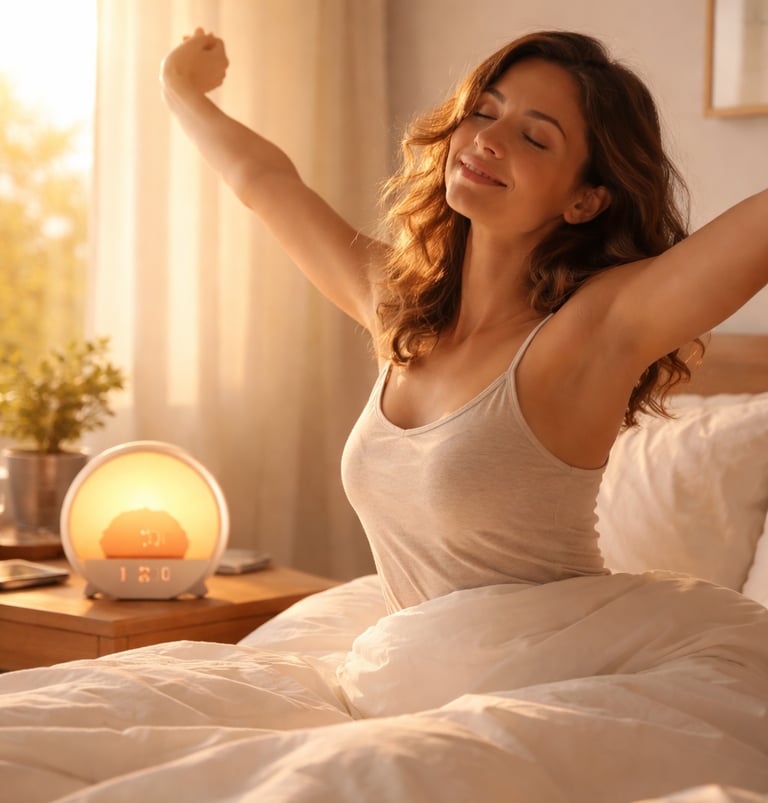
A sunrise alarm clock offers a gentler, more natural way to wake up—one that works with your body instead of against it. By mimicking the gradual rise of the sun, these clocks support your sleep cycle, mood, and energy levels in a way traditional alarms simply can’t.
If mornings feel heavy, rushed, or exhausting, the issue often isn’t motivation—it’s biology.
Why Traditional Alarms Disrupt Your Sleep Cycle
Your body follows a natural circadian rhythm, guided largely by light exposure. When you wake up suddenly in darkness to a harsh alarm sound, your brain doesn’t have time to transition out of sleep smoothly. Instead, stress hormones spike, melatonin remains high, and that foggy, irritable feeling takes over.
This is why so many people feel:
Groggy even after “enough” sleep
Anxious or tense first thing in the morning
Mentally slow or unfocused for hours
A sunrise alarm clock helps correct this by introducing gradual light, signaling your brain that it’s time to wake—just as nature intended.
How a Sunrise Alarm Clock Supports Better Mornings
Gradual Light That Mimics Natural Sunrise
Instead of waking abruptly, your room slowly fills with warm light over 10–60 minutes (fully customizable). This gradual brightness helps reduce melatonin and increase cortisol at healthy levels, allowing your body to wake up naturally.
Many users report waking up before the sound even starts, feeling more alert and calm.
Gentle Sound Instead of Stressful Beeping
This sunrise alarm clock also includes:
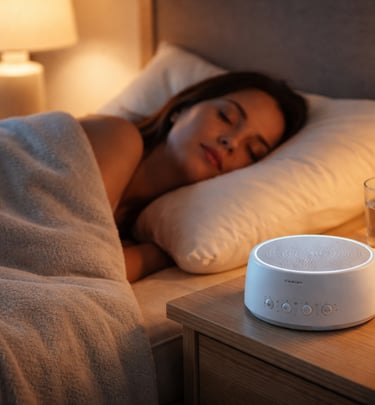
20 soothing sleep sounds
White noise
Nature-inspired audio options
These features help both with falling asleep and waking peacefully—especially helpful for light sleepers, anxious minds, and shift workers.
Key Features That Make This Sunrise Alarm Clock Stand Out
Designed for Real-Life Sleep Challenges
This isn’t just a wake-up light—it’s a full sleep support system, offering:
Dual alarms (perfect for couples)
7 sunrise color options
Adjustable brightness levels
Large LED display that won’t disrupt sleep
Touch-control panel for easy setup
Built-in FM radio
USB charging port
These thoughtful features make it easy to personalize your routine without complicated menus or tech frustration.
The Science Behind Sunrise Alarm Clocks
Light exposure plays a critical role in regulating your circadian rhythm. Research shows that gradual light exposure in the morning can improve alertness, mood, and overall sleep quality compared to sudden auditory alarms.
This is especially beneficial for:
People waking before sunrise
Those experiencing seasonal mood changes
Anyone trying to reset an inconsistent sleep schedule
👉 (External link opportunity: reference a study on circadian rhythm and light exposure here)
Who a Sunrise Alarm Clock Is Best For
Light sleepers who startle easily
People with anxiety or morning dread
Parents helping kids wake calmly for school
Students with early classes
Shift workers adjusting sleep schedules
Anyone seeking a gentler, healthier wake-up routine
It’s also ideal as a bedside lamp or part of a nightly wind-down ritual.
Real-Life Experience: Why Gentle Waking Matters
After years of struggling with mornings—multiple alarms, louder alarms, alarms across the room—switching to a sunrise alarm clock was a turning point.
The first morning felt different. I woke naturally, calm, and clear-headed. The light didn’t force me awake—it invited me into the day. That small shift changed everything: better mood, less dread, and mornings that finally felt manageable.
Sometimes the biggest improvements don’t come from pushing harder—but from softening the transition.



Find More Blogs Here For Sleep
Sunrise Alarm Clock vs Traditional Alarms
Feature Sunrise Alarm Clock Traditional Alarm Gradual waking ✅ Yes ❌ No Stress-free ✅ Yes ❌ No Supports circadian rhythm ✅ Yes ❌ No Sleep sounds & white noise ✅ Yes ❌ No Dual alarms ✅ Yes ❌ Rare
Frequently Asked Questions (FAQ)
Does a sunrise alarm clock really help with grogginess?
Yes. By gradually increasing light, it helps your body wake naturally, reducing sleep inertia.
Is it good for anxiety?
Many users find it helpful because it avoids sudden stress triggers common with loud alarms.
Can I use it if I wake up before sunrise?
Absolutely. It’s especially helpful for early mornings and winter months.
👉 How to Wake Up Better (Without Feeling Shocked or Groggy)
1) Use light before sound
Set your sunrise alarm clock to start lighting up 20–30 minutes before your wake time. Light helps your brain transition out of sleep more naturally than noise.
2) Pick a consistent wake time (even on weekends)
Try to keep your wake time within a 1-hour window every day. This stabilizes your sleep cycle and makes mornings feel less “heavy.”
3) Stop snoozing (replace it with a 2-minute wake ritual)
Snoozing can increase grogginess. Instead, do this:
Sit up
Take 5 slow breaths
Put both feet on the floor
4) Get real light within 10 minutes
Open curtains or step outside for 2–5 minutes. Morning light anchors your circadian rhythm and boosts alertness.
5) Hydrate before caffeine
Drink water first. Dehydration makes fatigue worse and can make anxiety feel stronger.
6) Create a “calm cue” the night before
Make mornings easier by setting up your environment:
Phone across the room
Clothes laid out
Bedroom slightly cooler
A soothing sleep sound on low volume
7) Use the same wind-down routine nightly
Choose a simple 10-minute routine (keep it easy):
Dim lights
No doom-scrolling
Sleep sound / white noise
Same bedtime “closing” cue (tea, stretching, reading)
Quick “Best Settings” for a Sunrise Alarm Clock
Sunrise duration: 25–35 minutes
Light warmth: warm/amber tones
Sound volume: low, gentle, or nature sounds
Backup alarm: set soft sound 5 minutes after full brightness
Final Thoughts: A Softer Way to Wake Up
The transformation a sunrise alarm clock offers isn’t dramatic—it’s gentle. And that’s what makes it powerful.
If you’ve been craving calmer mornings, better energy, and a wake-up routine that supports your well-being, this sunrise alarm clock is a simple, meaningful upgrade.
You deserve mornings that feel steady, supported, and peaceful—not rushed or overwhelming.
✨ Explore the features here and see how it fits into your routine. The difference starts with the very first morning.
Sunrise Alarm Clock vs Traditional Alarms
Feature Sunrise Alarm Clock Traditional Alarm Gradual waking ✅ Yes ❌ No Stress-free ✅ Yes ❌ No Supports circadian rhythm ✅ Yes ❌ No Sleep sounds & white noise ✅ Yes ❌ No Dual alarms ✅ Yes ❌ Rare