Supplements vs Herbs vs Functional Foods: A Clear Wellness Guide
Confused about supplements, herbs, and functional foods? Learn the real differences, how each works, and how to choose what fits your wellness needs.
HERBS, VITAMINS & NATURAL REMEDIESFEATURED
12/14/20256 min read
Stop Guessing Your Wellness: Understanding Supplements, Herbs, and Functional Foods
If you’ve ever stood in the wellness aisle staring at shelves of capsules, powders, teas, and “superfoods,” wondering what actually does what, you’re not alone. One bottle promises energy. Another claims balance. A third swears it’s “ancient,” so it must be better. Somewhere between supplements, herbs, and functional foods, clarity gets lost—and confusion takes over.
Most people don’t struggle with wanting to feel better. They struggle with knowing what to choose, what to trust, and how to support their body without wasting money or creating overwhelm.
That’s exactly why understanding the difference between supplements, herbs, and functional foods matters. According to the National Institutes of Health, supplements are intended to fill specific nutrient gaps—not replace whole foods
This isn’t about wellness trends or buzzwords. It’s about learning how your body actually works with nutrients—and how to support it in a way that feels grounded, sustainable, and empowering, not stressful or extreme.
Why Wellness Feels So Confusing Right Now
Modern wellness offers endless options—but very little context.
Many people experience the same frustrations:
Buying supplements they don’t feel working
Mixing products that overlap or cancel each other out
Following confident-sounding advice on social media without real explanation
Turning to herbs without understanding how they differ from nutrients
Assuming functional foods are just marketing for expensive groceries
The result is often wasted money, inconsistent results, and lingering doubt about whether any of it truly works.
Understanding the difference between supplements, herbs, and functional foods helps replace guesswork with clarity—so wellness starts to feel intentional instead of overwhelming. Functional foods, as explained by Cleveland Clinic, provide health benefits beyond basic nutrition.
What Are Supplements, Herbs, and Functional Foods—Really?
This guide doesn’t tell you what to take. It teaches you how to think about wellness choices so you can decide what makes sense for your body.
Supplements: Targeted Nutrient Support
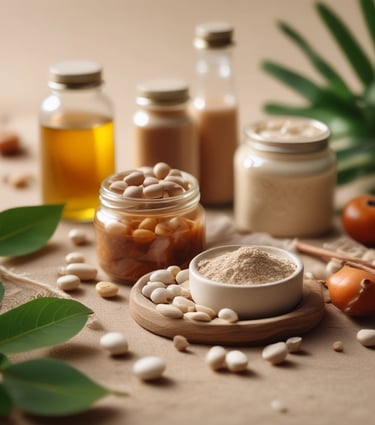
Supplements are concentrated nutrients—like vitamins, minerals, or amino acids—designed to fill specific gaps. They’re especially useful when the body is deficient or has higher demands due to stress, life stage, or health conditions.
Herbs: Whole-Plant Allies
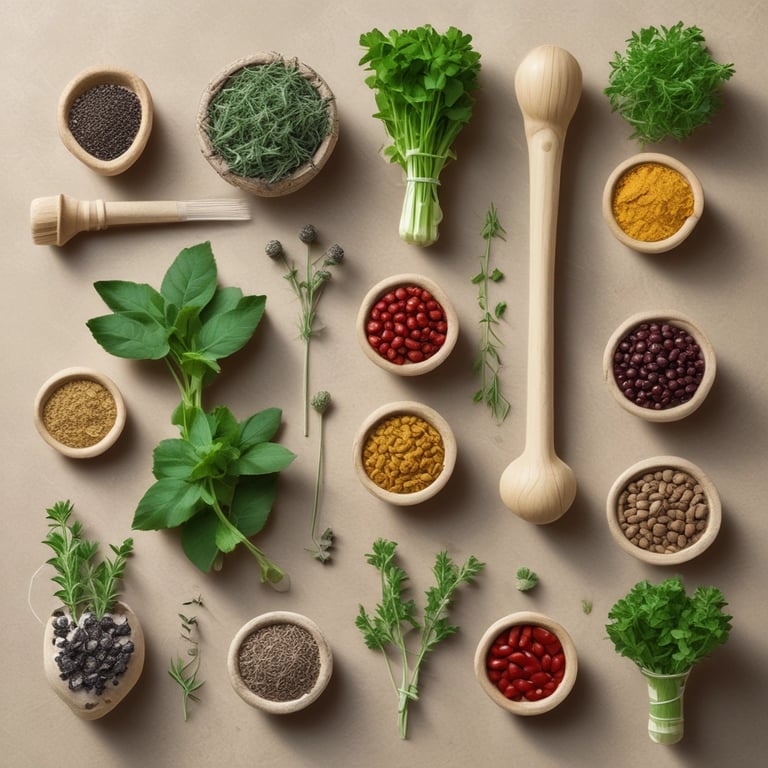
Herbs are complex, plant-based tools containing multiple compounds that work together. Instead of forcing one outcome, herbs tend to support systems—like stress response, digestion, or immune balance—in a more holistic way. Herbs are biologically active substances, which is why medical centers like Mount Sinai emphasize using them thoughtfully
Functional Foods: Everyday Nourishment With Benefits
Functional foods are real foods that offer benefits beyond basic nutrition. They support the body gently and consistently, often forming the foundation of long-term wellness rather than acting as a quick fix.
Understanding how these categories differ—and how they can complement each other—changes everything.
Why Understanding the Difference Changes Your Results
When you understand how each approach works, wellness becomes less reactive and more strategic.
Instead of:
Taking random supplements for energy
Adding more products when something isn’t working
Feeling unsure whether you’re doing too much or too little
You begin to see that:
Functional foods support steady, foundational energy
Certain herbs help regulate stress and balance systems
Supplements are most effective when they address a real need
Wellness stops feeling like guessing—and starts feeling intentional and intuitive.
Common Wellness Mistakes This Guide Helps You Avoid
More isn’t always better. And “natural” doesn’t always mean gentle.
This resource explains:
Why herbs are biologically active and deserve respect
How excess supplements can burden the body
Why absorption, dosage, and synergy matter
How mixing products without a plan can reduce effectiveness
By understanding these basics, you learn how to support balance—not overload.
Why These Tools Work Differently in the Body
Each category exists for a reason:
Supplements deliver specific nutrients in measurable amounts
Herbs influence multiple pathways through plant synergy
Functional foods nourish the body the way humans evolved to eat
When you understand this, wellness stops feeling extreme and starts feeling practical.
How This Applies to Real Life
One of the most valuable parts of this guide is how it connects information to everyday needs—like:
Supporting digestion
Improving energy
Managing stress
Strengthening immunity
Rather than pushing pills or replacing food, it shows how supplements, herbs, and functional foods can work together thoughtfully, depending on the situation.
A Gentle, Relatable Approach to Wellness Education
A personal story woven into the guide reflects what many people experience: starting out overwhelmed, buying everything recommended online, and still feeling stuck.
Through education—not restriction—the focus shifts to:
Simplifying routines
Reducing unnecessary spending
Feeling aligned with your body instead of fighting it
This isn’t a sales pitch or a rigid protocol. It’s guidance rooted in real experience, clarity, and compassion.
Who This Guide Is For
Beginners building a strong wellness foundation
Experienced wellness seekers refining their approach
Anyone tired of conflicting advice and wellness noise
Anyone who wants to feel confident making informed choices
By the end, you’re not just informed—you’re empowered. You read labels differently. You ask better questions. You choose based on understanding, not trends.
A Gentler Way Forward
If wellness has ever felt confusing or overwhelming, this guide offers something refreshing: clarity without pressure.
Understanding the difference between supplements, herbs, and functional foods isn’t about doing more. It’s about doing what makes sense—for your body, your life, and your peace of mind.
Your wellness journey doesn’t need more noise.
Sometimes, it just needs better information—and a gentler way forward.
FAQ'S
What is the difference between supplements, herbs, and functional foods?
Supplements provide concentrated vitamins or minerals to fill specific nutrient gaps. Herbs are whole plants with multiple active compounds that support the body holistically. Functional foods are everyday foods that offer health benefits beyond basic nutrition.
Are herbs better than supplements?
Herbs are not better or worse than supplements—they serve different purposes. Herbs work gently and synergistically with the body, while supplements deliver targeted nutrients when deficiencies are present.
What are functional foods, and how are they different from supplements?
Functional foods are whole foods that naturally support health, such as fermented foods, fatty fish, or leafy greens. Unlike supplements, they provide nutrients in forms the body recognizes and absorbs gradually.
Can I use supplements, herbs, and functional foods together?
Yes, many people benefit from using all three together when done thoughtfully. Functional foods form the foundation, herbs support systems like stress or digestion, and supplements address specific needs.
How do I know which option is right for me?
The best choice depends on your goals, lifestyle, and current health needs. Understanding how each category works helps you choose intentionally rather than guessing or following trends.
Frequently Asked Questions
What is the difference between supplements, herbs, and functional foods?
Supplements provide concentrated vitamins or minerals to address specific nutrient gaps. Herbs are whole plants that work synergistically with the body’s systems, while functional foods are everyday foods that offer health benefits beyond basic nutrition.
Are herbs better than supplements?
Herbs are not better or worse than supplements — they serve different purposes. Herbs tend to support the body gently over time, while supplements are useful when a specific nutrient deficiency needs targeted support.
What are functional foods and why are they important?
Functional foods are foods that naturally support health, such as fermented foods, leafy greens, berries, and fatty fish. They help nourish the body consistently and are often the foundation of long-term wellness.
Can I take supplements and herbs at the same time?
Yes, supplements and herbs can often be used together when chosen thoughtfully. Understanding dosage, timing, and overlap is important to avoid excess or unnecessary combinations.
How do I know what my body actually needs?
Listening to symptoms, supporting foundational nutrition first, and avoiding trend-based choices can help. Many people benefit from starting with functional foods, then adding herbs or supplements based on specific goals.
Are functional foods safer than supplements?
Functional foods are generally gentle and well-tolerated because they come from whole food sources. Supplements are also safe when used appropriately, but more is not always better.
Do I need supplements if I eat healthy?
Even with a healthy diet, stress, lifestyle, and nutrient absorption can create gaps. Supplements can help fill those gaps, but they work best when paired with nourishing foods and informed choices.